

The next Colloquium of the Astronomical Observatory will be held on Wednesday, June 10, at 1 PM in the Library.
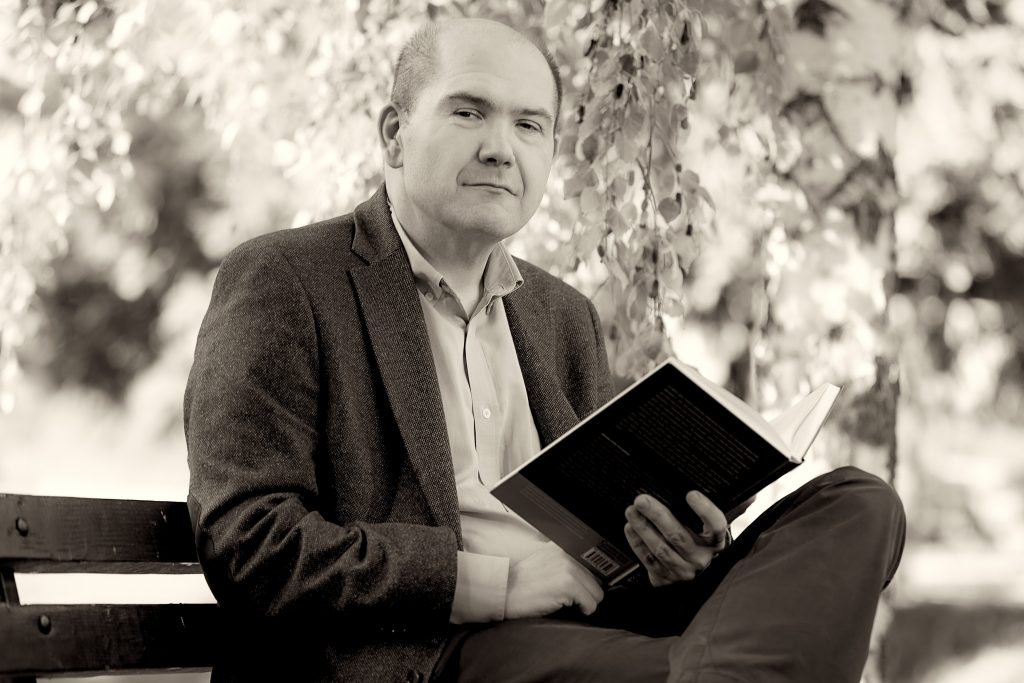
Speaker: Dr. Andreja Stojić, Principal Research Fellow at the Institute of Physics, Belgrade
Topic: Towards a Context-Aware, AI-Enhanced Paradigm for Air Quality Analysis
Resume:
Contemporary environmental science insufficiently recognizes the complexity of the factors that shape the evolution of pollution in the environment. Air quality is a clear example. Pollutant concentrations are influenced by physico-chemical transformations, climatic and meteorological conditions, interactions with other environmental media, solar-driven cycles, topography, urban structure, and many other interdependent factors. As a result, the spatio-temporal distribution of air pollution emerges from a highly complex system of interactions that can only be partially reconstructed through available concepts, data, methods, and interpretative frameworks.
The presentation will address methodological concepts that place air quality analysis within a broader shift in scientific paradigms: from empirical observation and theoretical modelling toward computational and data-intensive environmental science. The central aim is to transform data into facts, facts into knowledge, knowledge into insight, and insight into a basis for better environmental decisions. This requires not only measurements and traditional modelling approaches, but also contextualization, adequate data infrastructure, advanced analytical methods, expertise, and interpretation.
Artificial intelligence, model interpretation, optimization, uncertainty analysis, geospatially fused big-data analysis, visualization, and decision-support concepts are considered as components of a new analytical paradigm. Their value lies in supporting the investigation of nonlinear, multi-factorial, and spatio-temporal pollution dynamics that cannot be fully captured by traditional approaches, isolated observations, or simplified experimental settings. Within this context, the crAIRsis and ATLAS projects, supported by the Science Fund of the Republic of Serbia, along with several applied projects funded by city administrations across Serbia, demonstrate a broader methodological transition from fragmented and retrospective air quality analysis toward integrated, context-aware, scalable, and decision-oriented environmental intelligence. The broader implications of this paradigm include deeper understanding of pollutant behavior, improved interpretation of air quality evolution, stronger support for responsive assessment, more reliable environmental governance, and better translation of scientific knowledge into public-health-oriented and sustainability-oriented decisions.