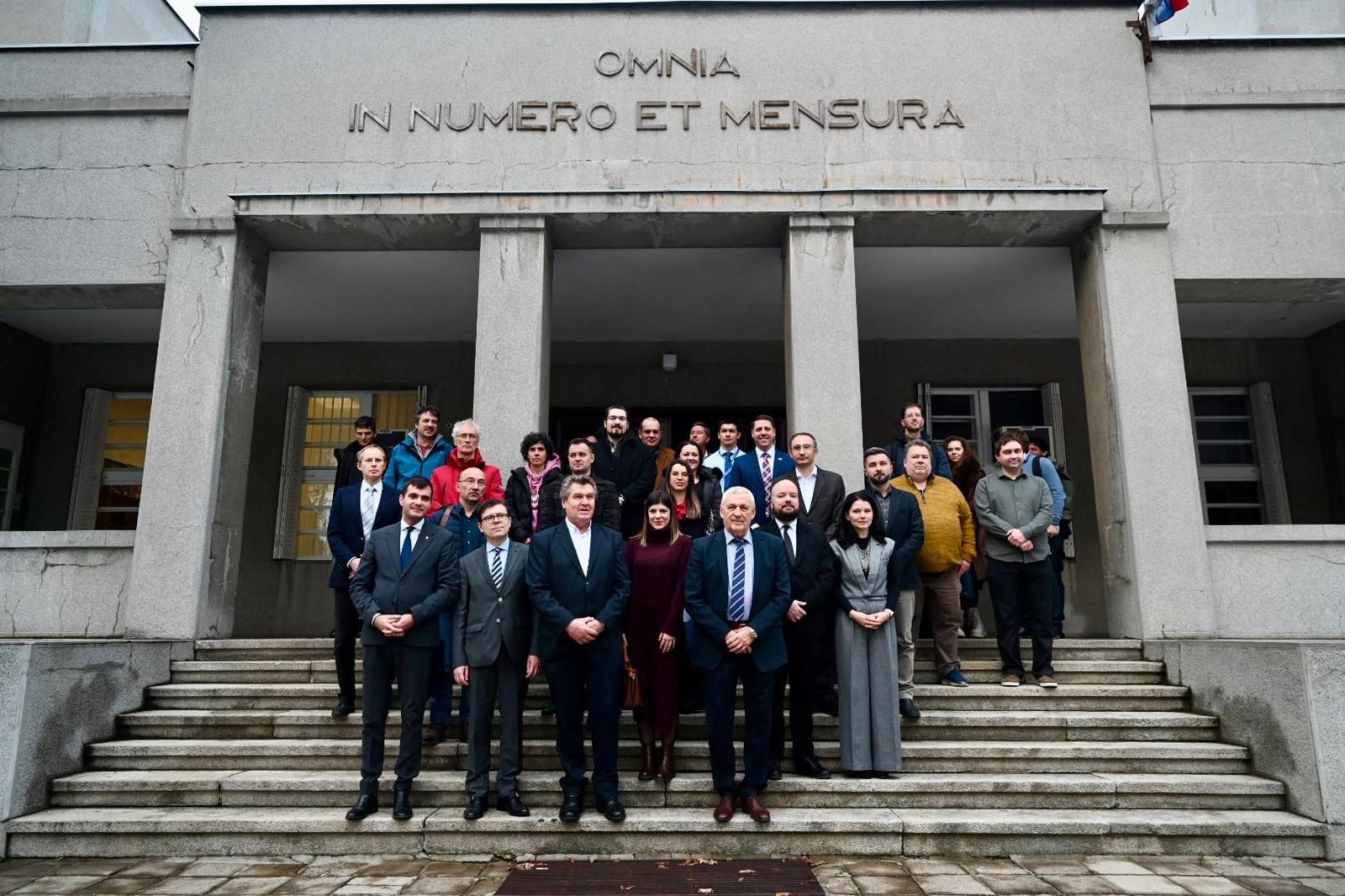


As part of the 68th International Technical Fair, held in Belgrade from May 19th to May 22nd 2026, the exhibition "Play for Humanity! Science for All" was realized under the slogan "Technology and Innovation Shape the Future". The exhibition was organized by the Government of the Republic of Serbia, the Ministry of Science, Technological Development and Innovation and the Center for the Promotion of Science.
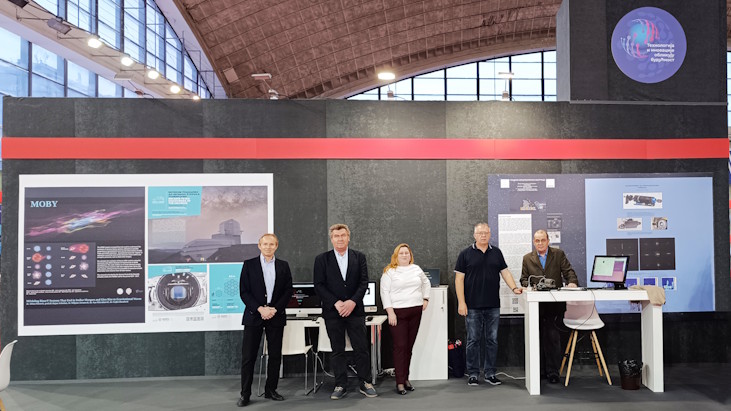
The manifestation consisted of scientific and technical achievements of numerous scientific institutions in the Republic of Serbia (faculties, institutes, innovation centers, science and technology parks, etc.). The Astronomical Observatory of Belgrade participated by displaying three presentations: the Urban Observatory of Belgrade (UrbObsBel), the MOBY project and the presentation "Experience the Universe as an Astronomer: Feel How the Vera Rubin Observatory Works!". The first two mentioned are three-year PRISMA projects funded by the Science Fund of the Republic of Serbia, led by the Astronomical Observatory, and which started in early 2024.
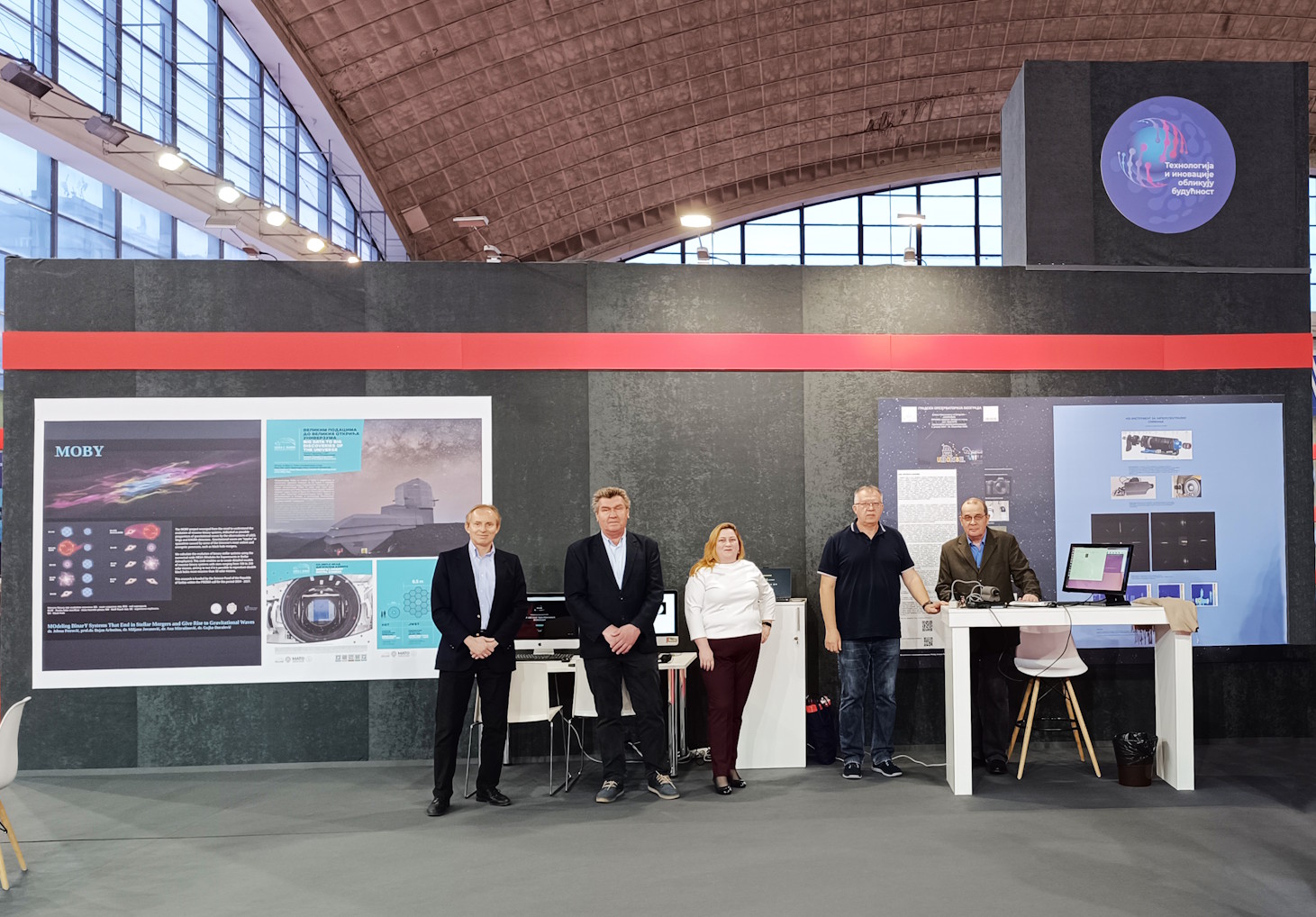
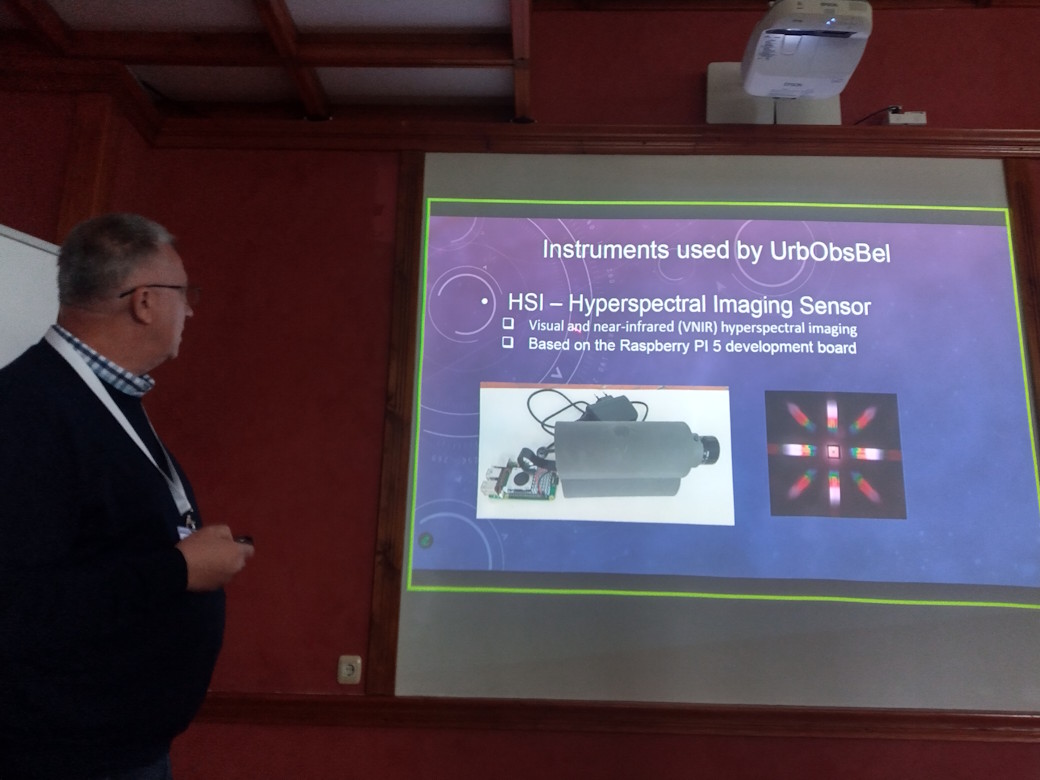
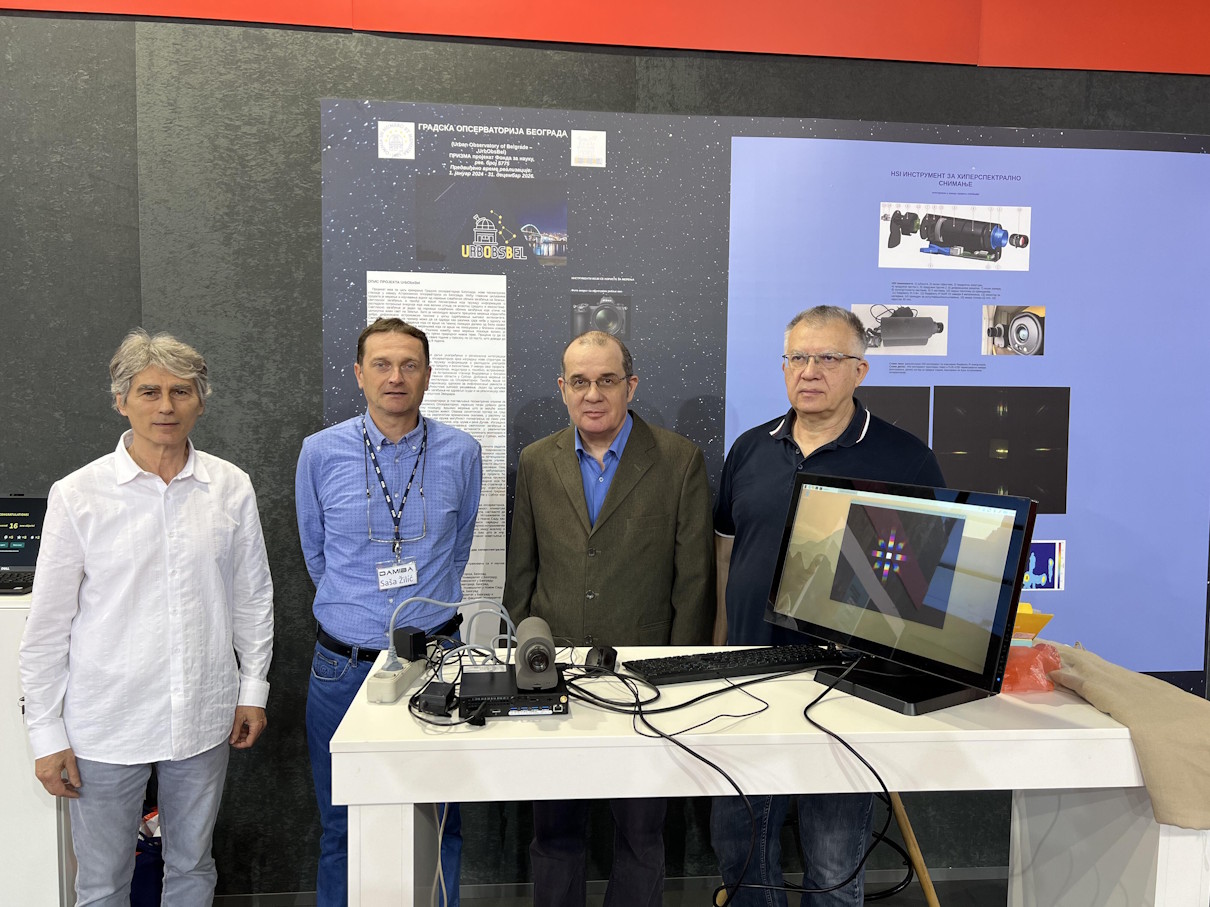
The Urban Observatory of Belgrade (UrbObsBel) is a project led by the Astronomical Observatory, and in which researchers from the Institute of Physics, the Faculty of Natural Sciences and Mathematics of the University of Novi Sad, as well as the Faculty of Medicine of the University of Belgrade, are also participating. As part of the presentation, a hyperspectral imaging sensor (HSI) constructed by the participants of the UrbObsBel project was displayed. The device is based on the Raspberry Pi platform and allows measurements in the visual and near-infrared part of the spectrum. These measurements allow a certain object to be "seen" at different wavelengths in the range of 400-1052 nm. Visitors were able to directly take pictures of various everyday objects with this device and "see" them with different eyes. The Fair featured a live demonstration of the operation of this device, which was constructed and installed on the Astronomical Observatory Tower as part of the PRISMA project UrbObsBel, and some of the results obtained from this location, which is the highest point in the urban part of Belgrade, were presented. Also, within the same project, visitors were given the opportunity to fill out an online survey related to the problem of light pollution.
A poster was presented on the MOBY project – Modeling Binary Systems That End in Stellar Mergers and Give Rise to Gravitational Waves. The MOBY project investigates the evolution of massive binary systems, possible causes of gravitational waves detected by the LIGO, Virgo and KARGA detectors. We calculate the evolution of binary star systems using the numerical code MESA (Modules for Experiments in Stellar Astrophysics). This code allows the creation of detailed models of massive binary systems with stars with masses from 100 to 250 solar masses, and the goal is to test the possibility of reproducing binary black holes more massive than 50 solar masses.

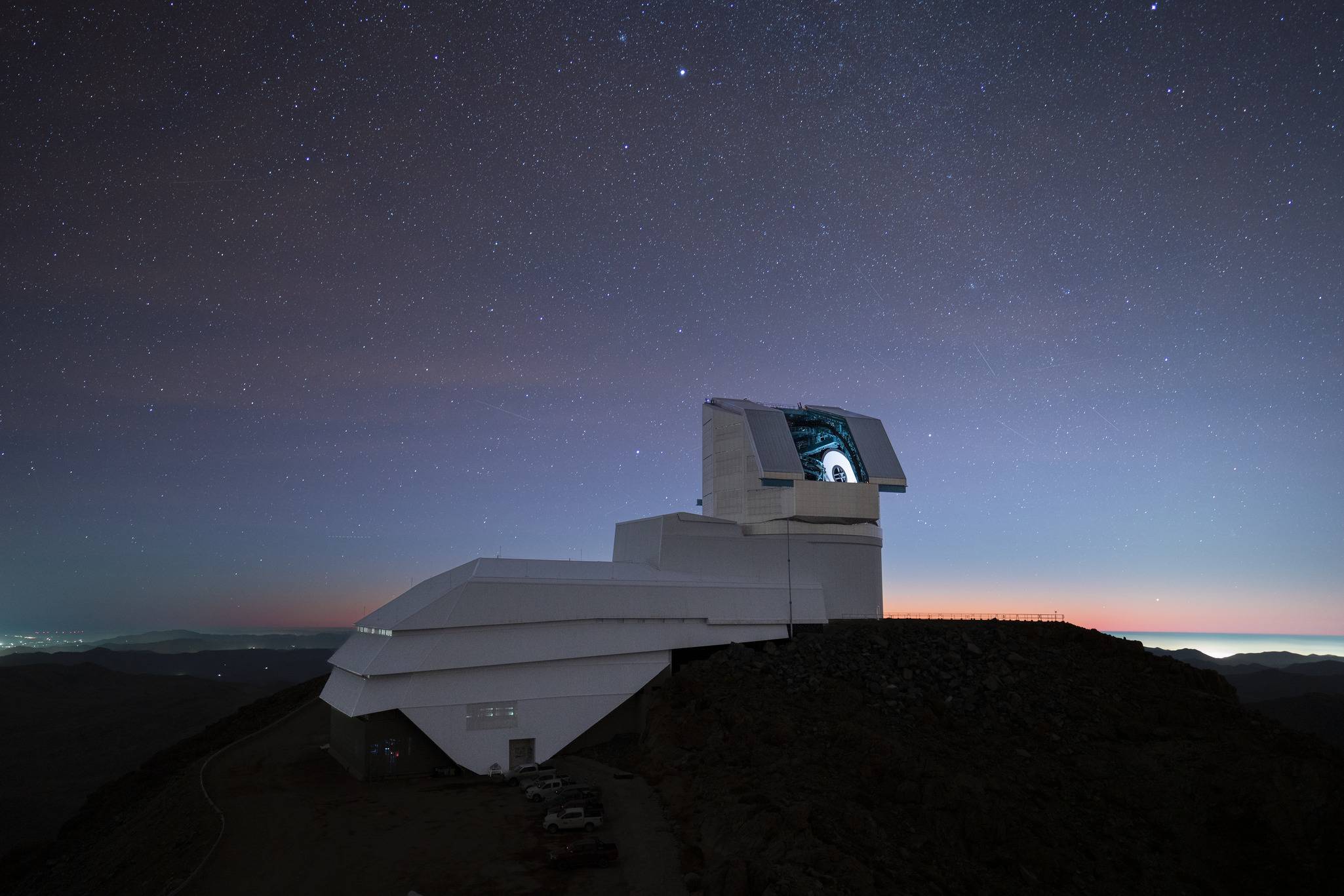
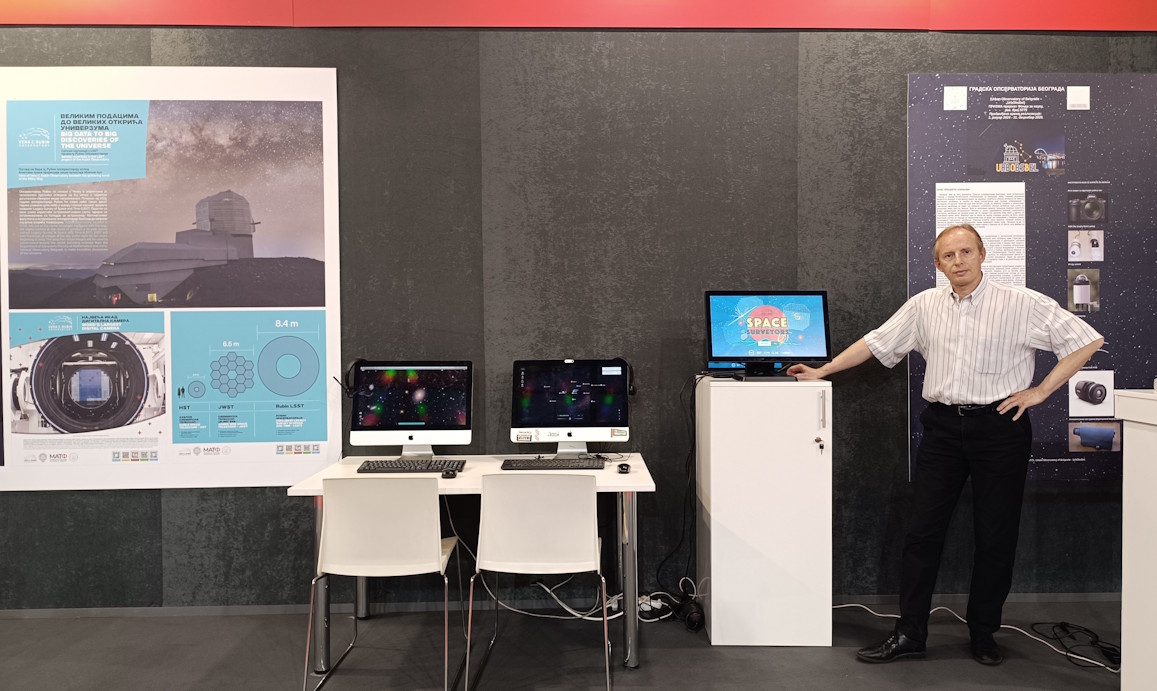
The third display of our institution was realized through the interactive presentation "Experience the Universe as an Astronomer: Feel How the Vera Rubin Observatory Works!". The Vera Rubin Observatory began operating in 2025, and visitors were able to get to know it firsthand. Through the interactive demonstration, they take on the role of astronomers and explore how modern astronomical discoveries are made. Skysynth is an innovative method of sonification of big data and scientific phenomena. Space surveyors is a fun simulation of the operation of the observatory in which visitors personally experience operating a telescope and "capturing" objects. Orbit viewer is an interactive visualization of the Solar System in three dimensions and over time.
Jovan Aleksić
Through these three presentations, as well as conversations with our colleagues on duty at the stand, over the course of four days, visitors learned about the Astronomical Observatory and its activities. As in previous years, numerous useful conversations were held with distinguished guests during the Fair.