

Source: NSF–DOE Vera C. Rubin Observatory/NOIRLab/SLAC/AURA
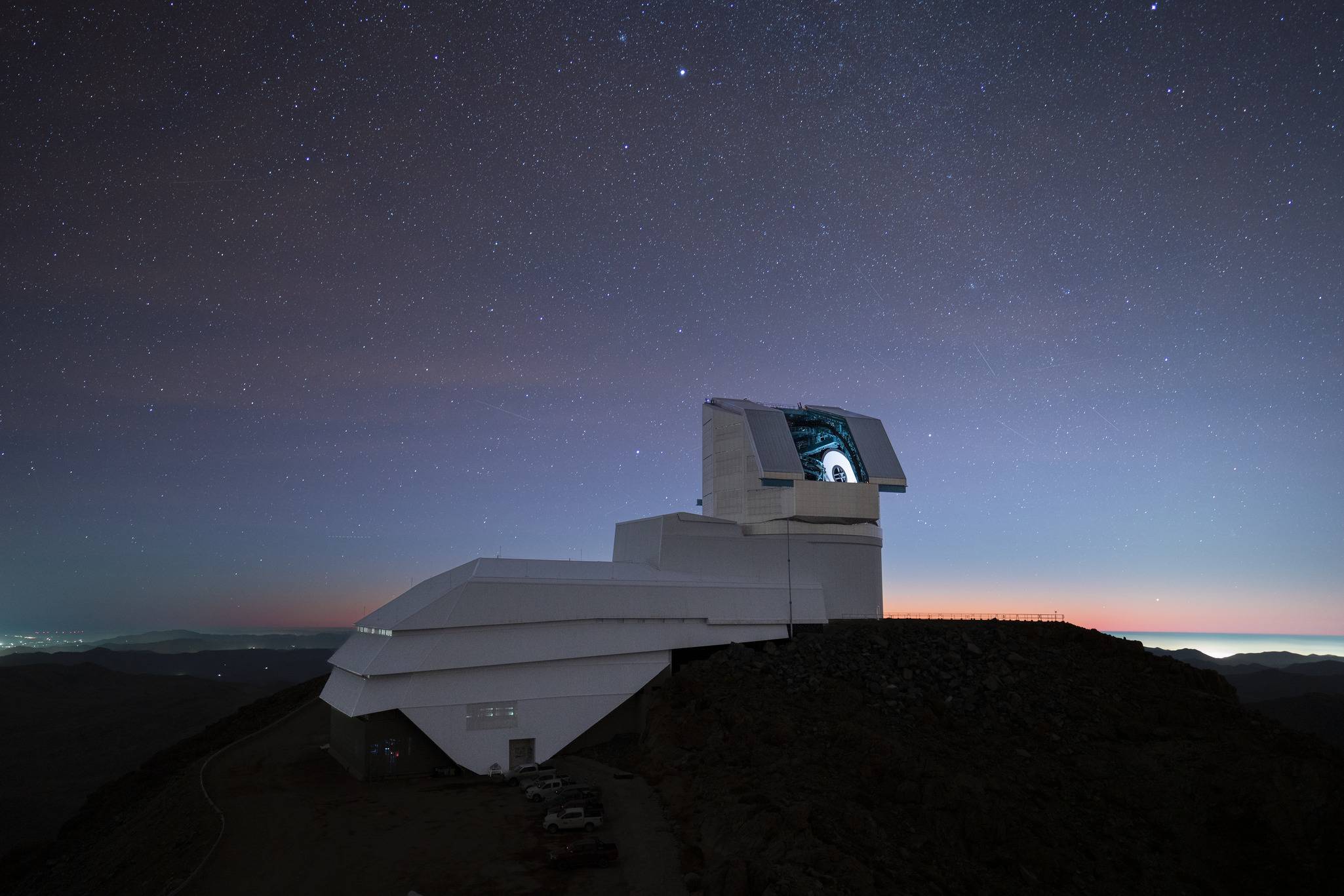
The Vera C. Rubin Observatory in Chile has officially launched the ten-year Legacy Survey of Space and Time (LSST), one of the most ambitious astronomical endeavors in history. Over the next decade, the most extensive and detailed map of the southern sky ever created will be produced, ushering in a new era of knowledge in astronomy and astrophysics.
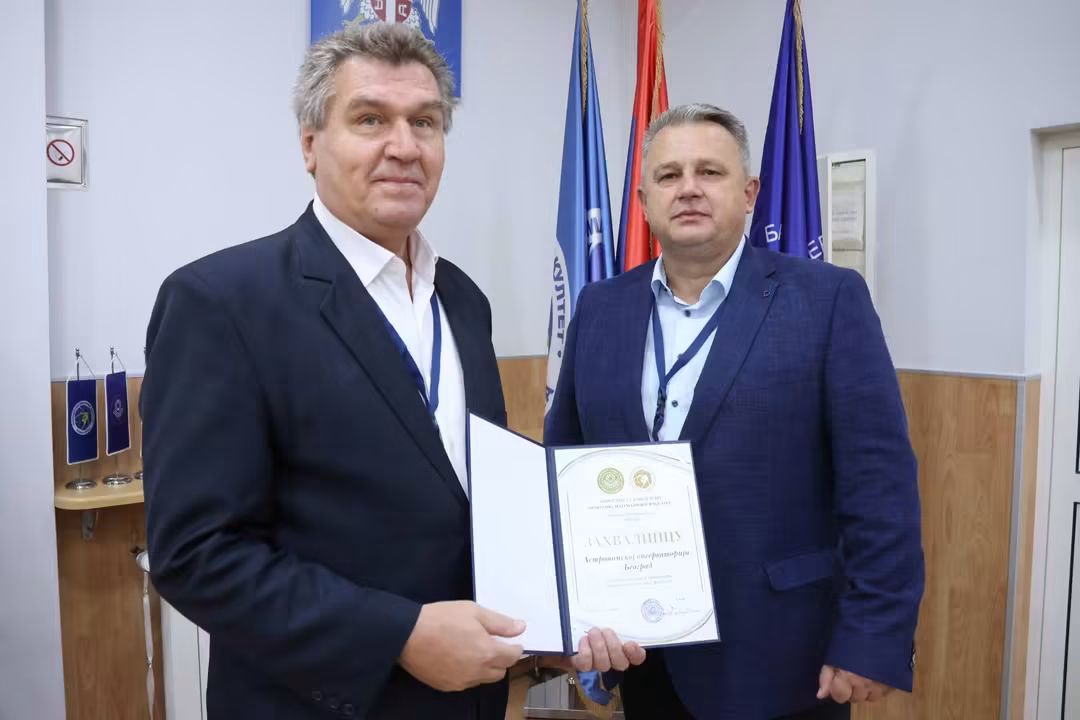
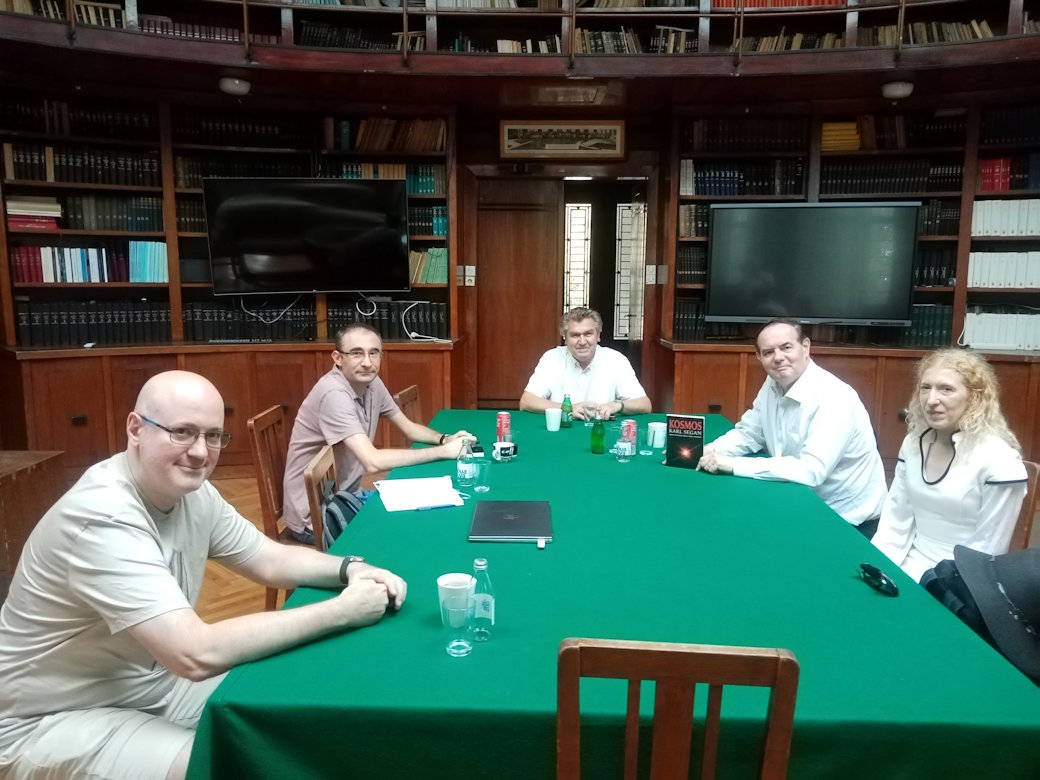
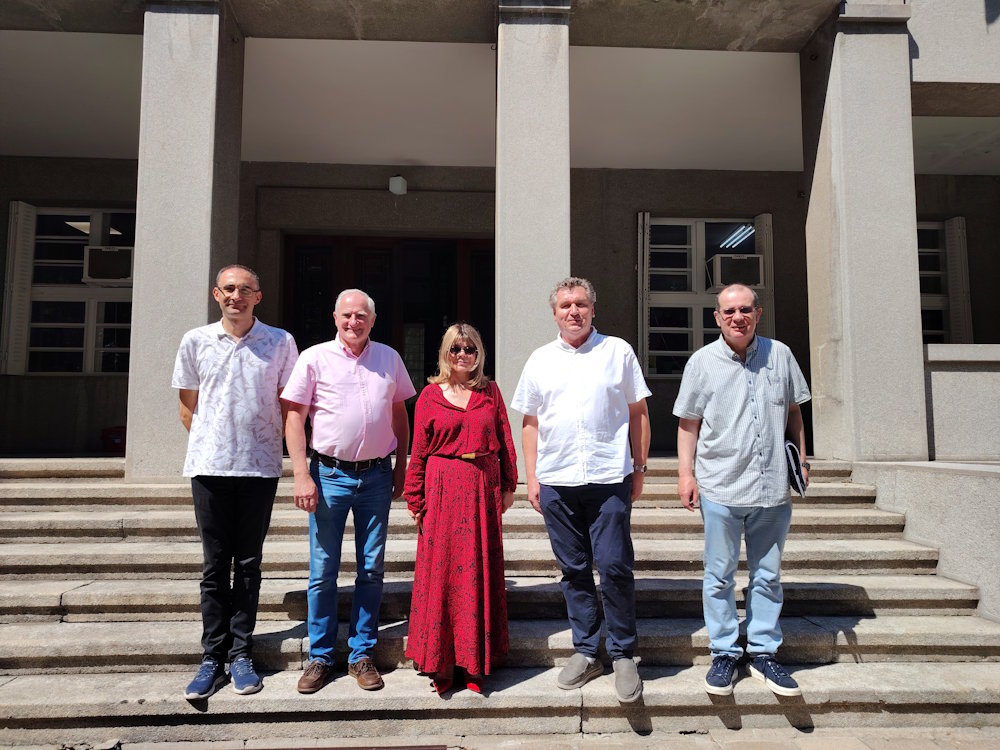
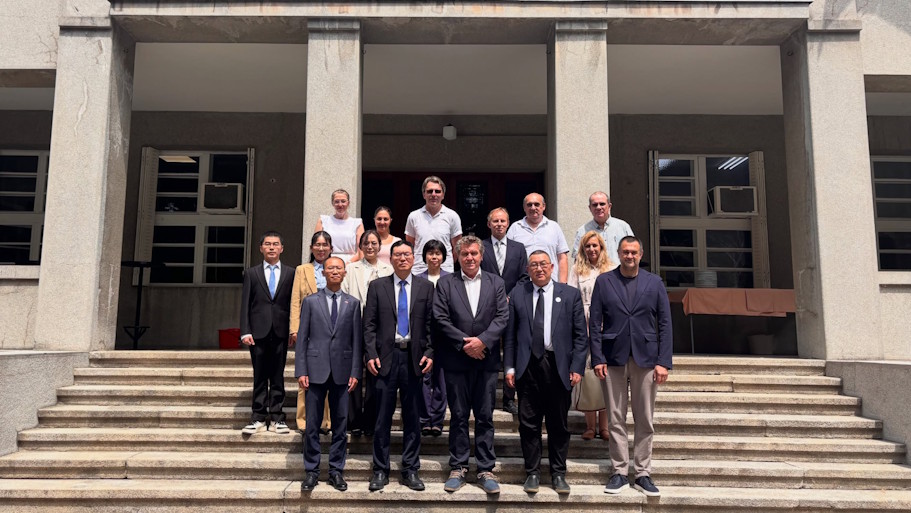
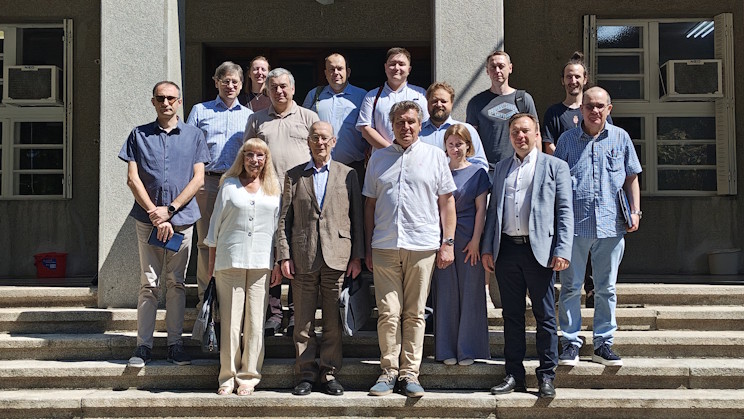
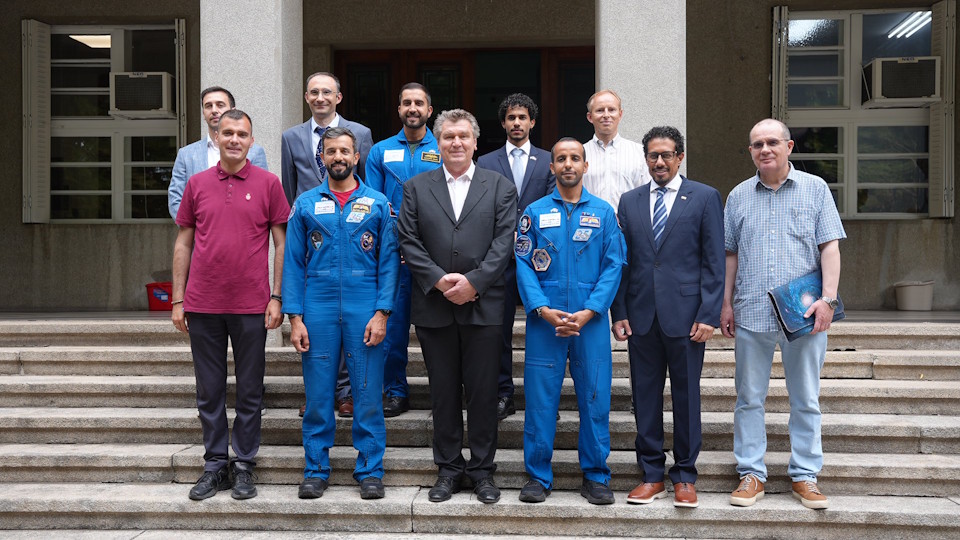
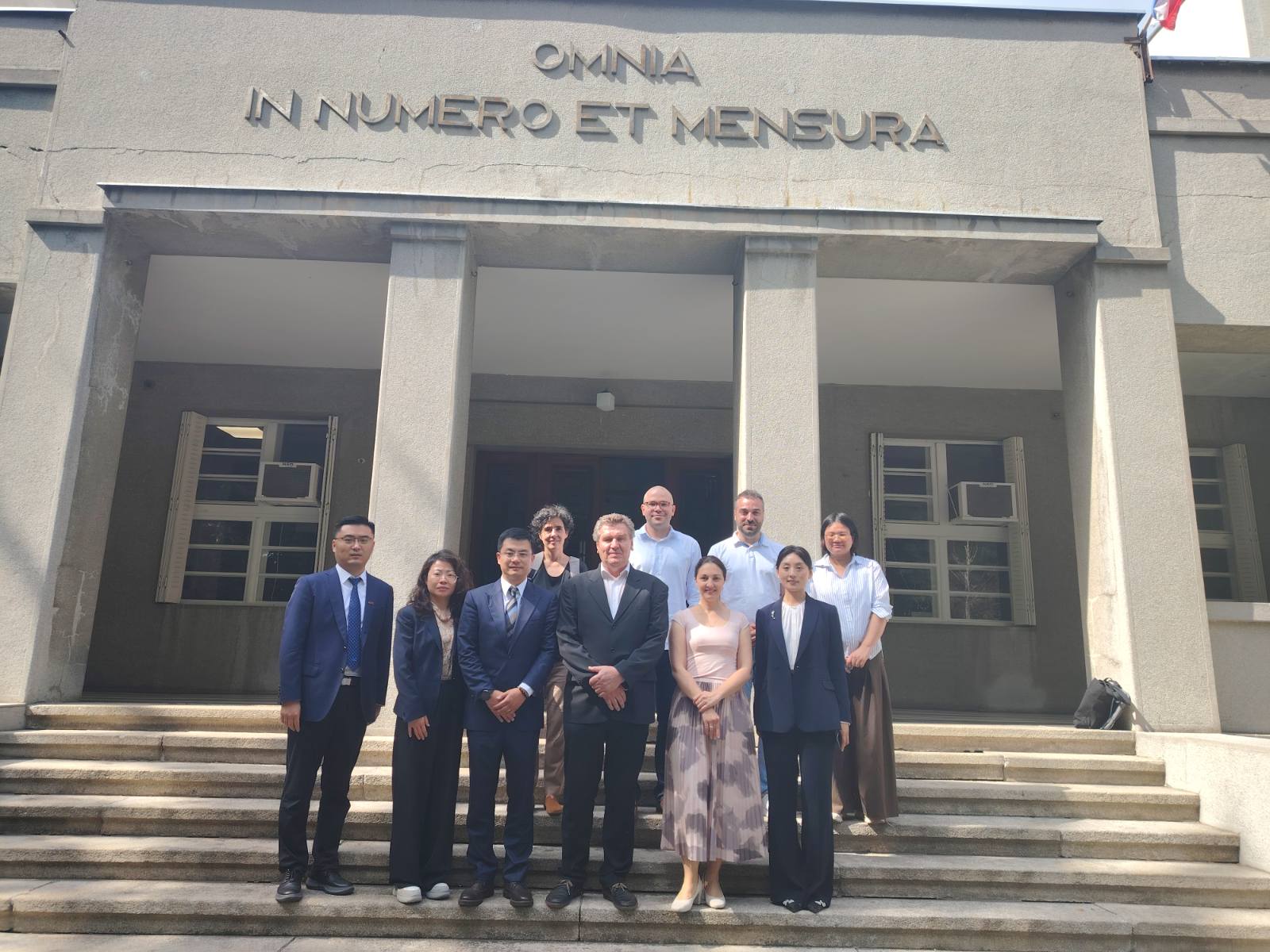
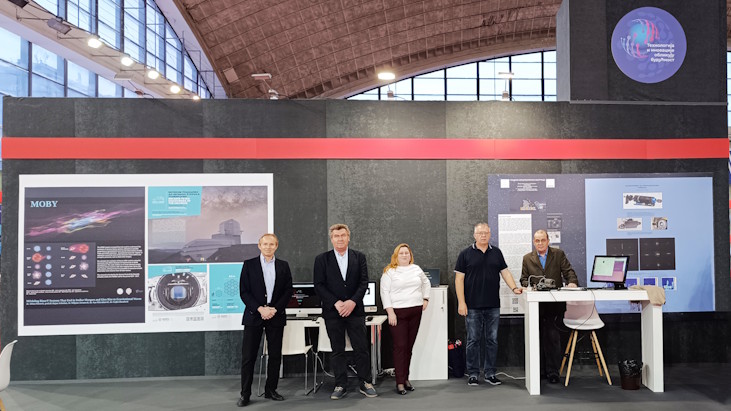
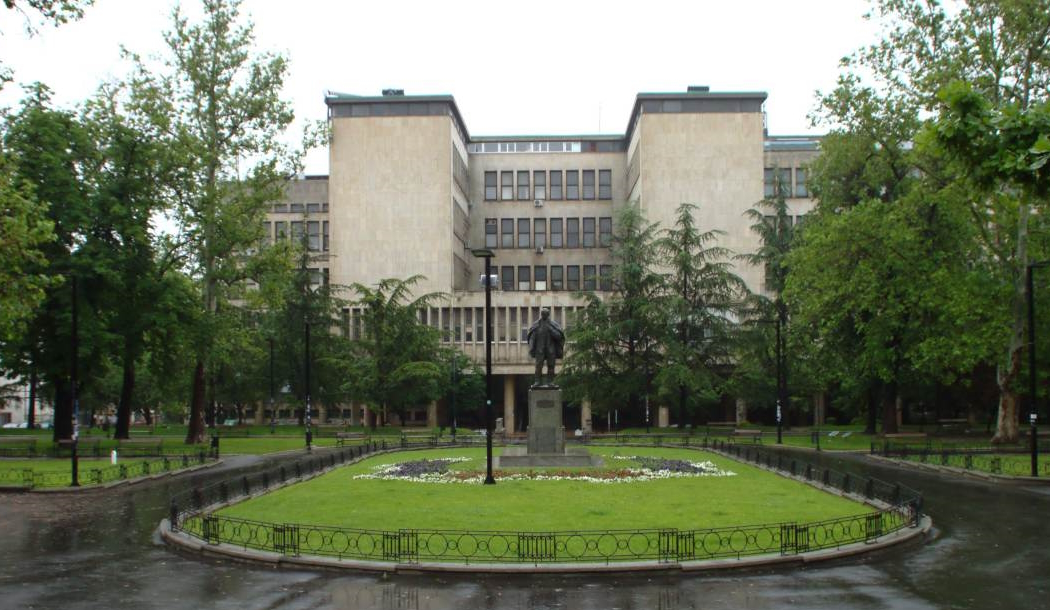
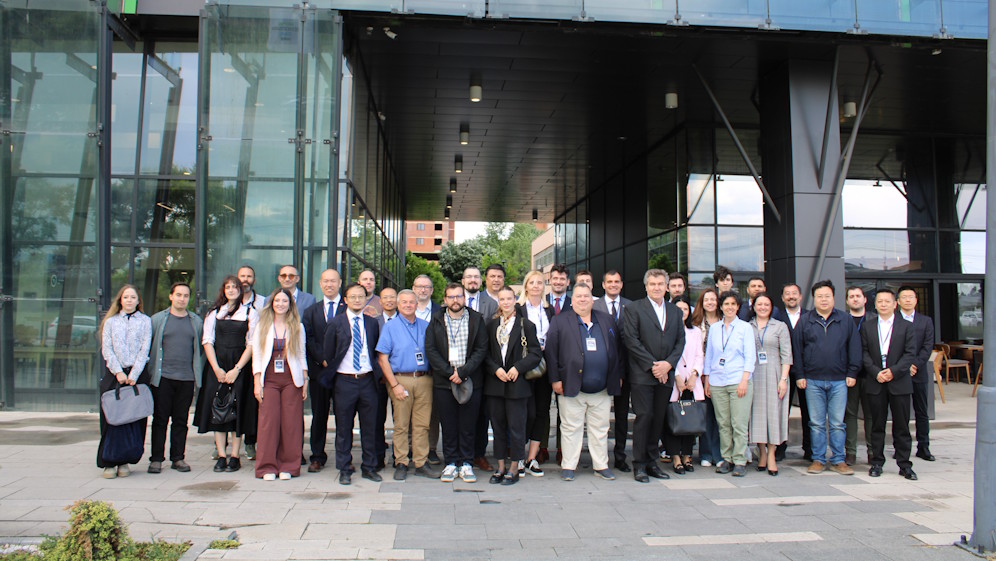
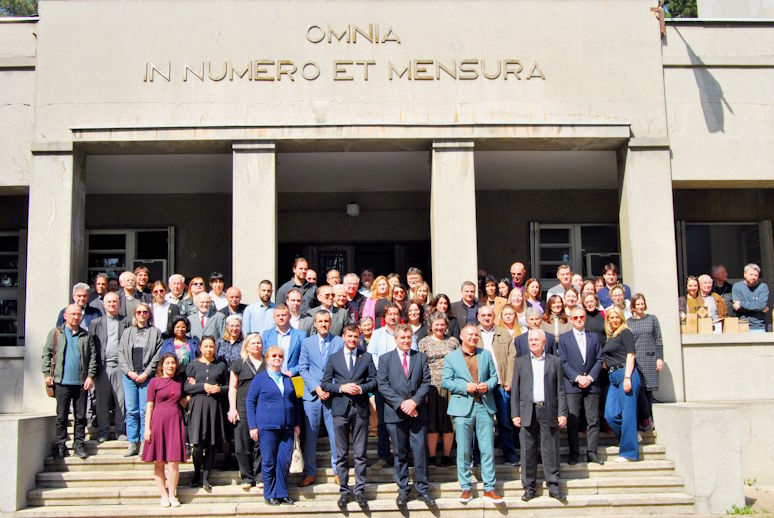
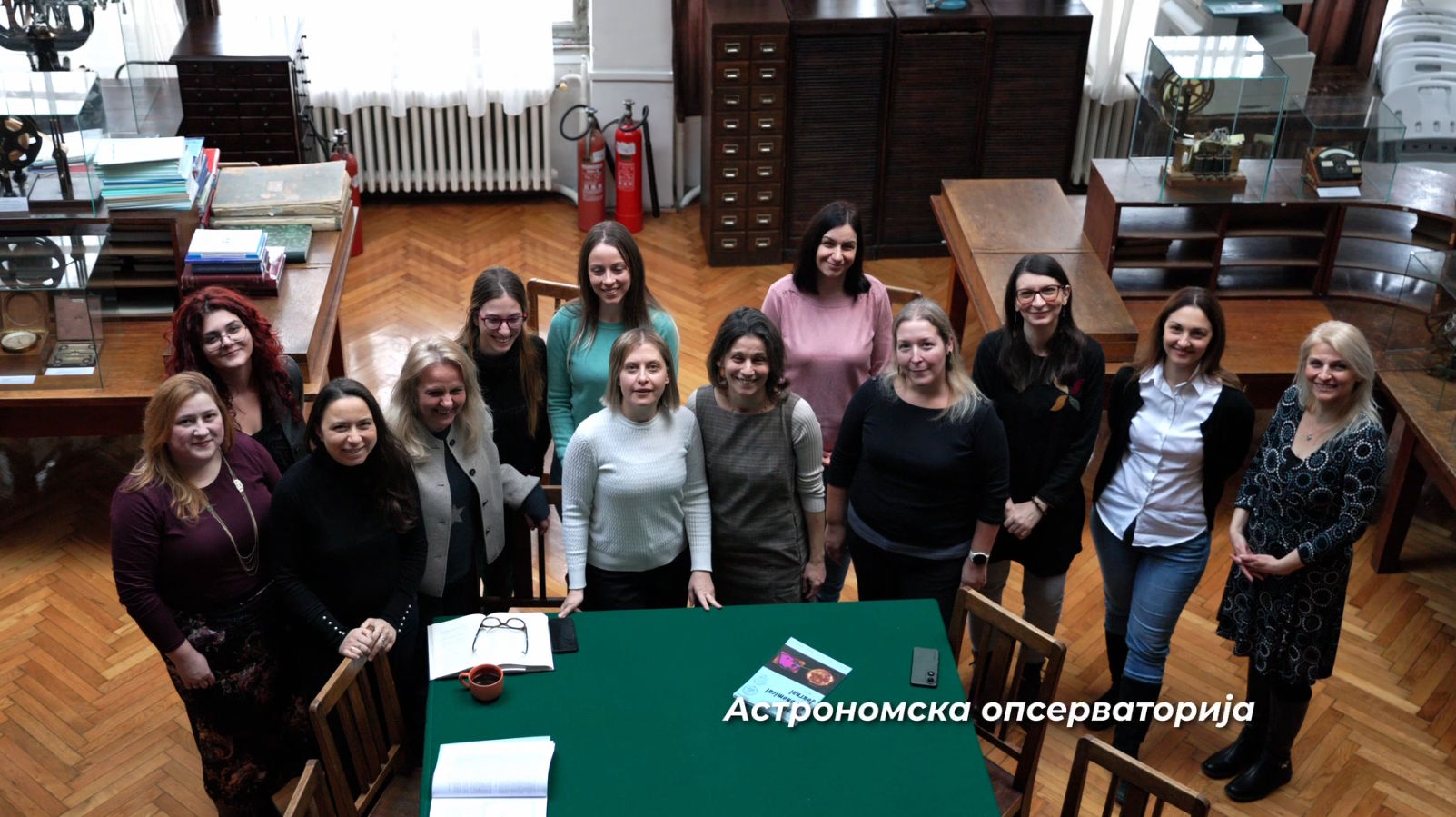
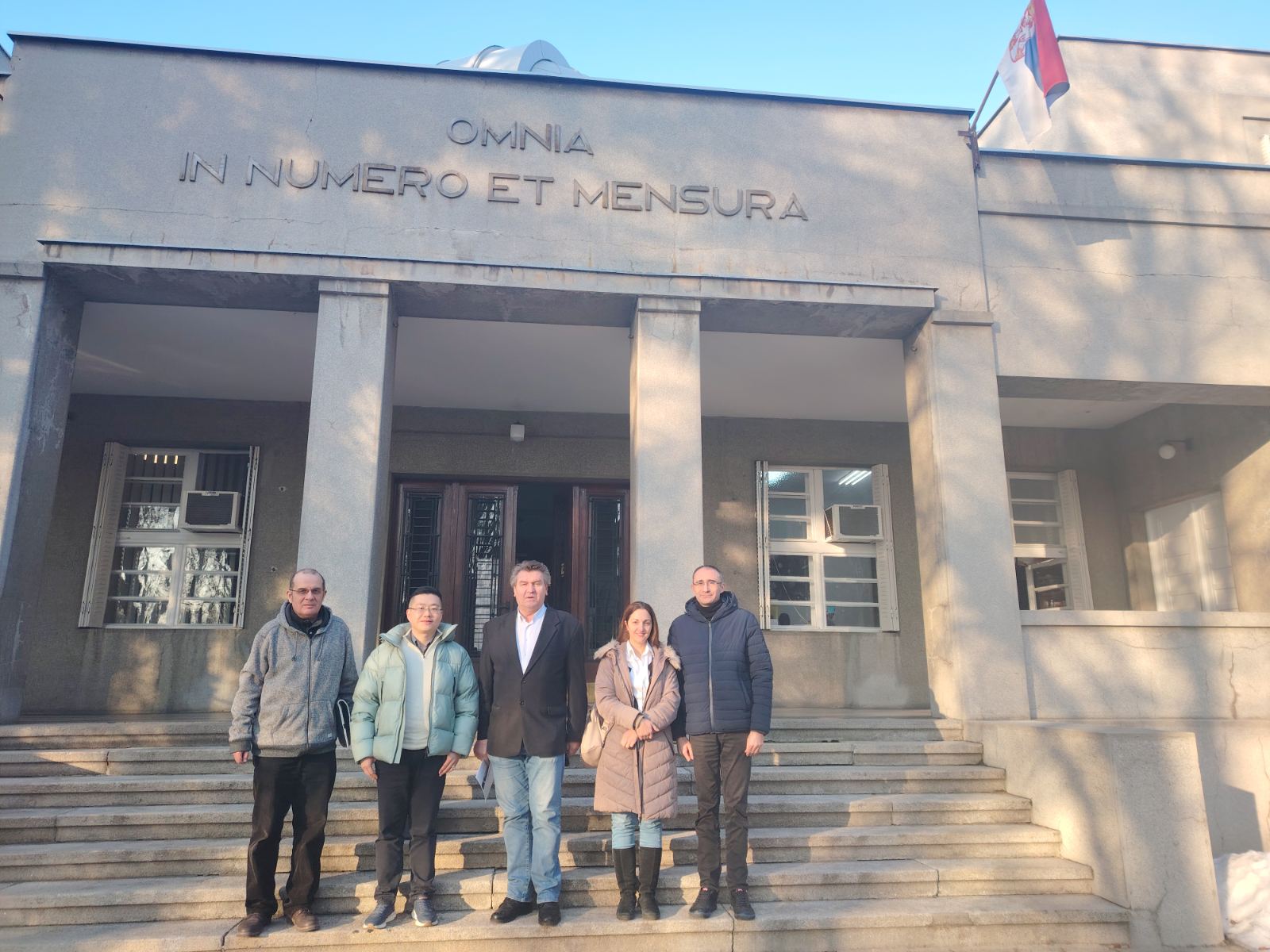
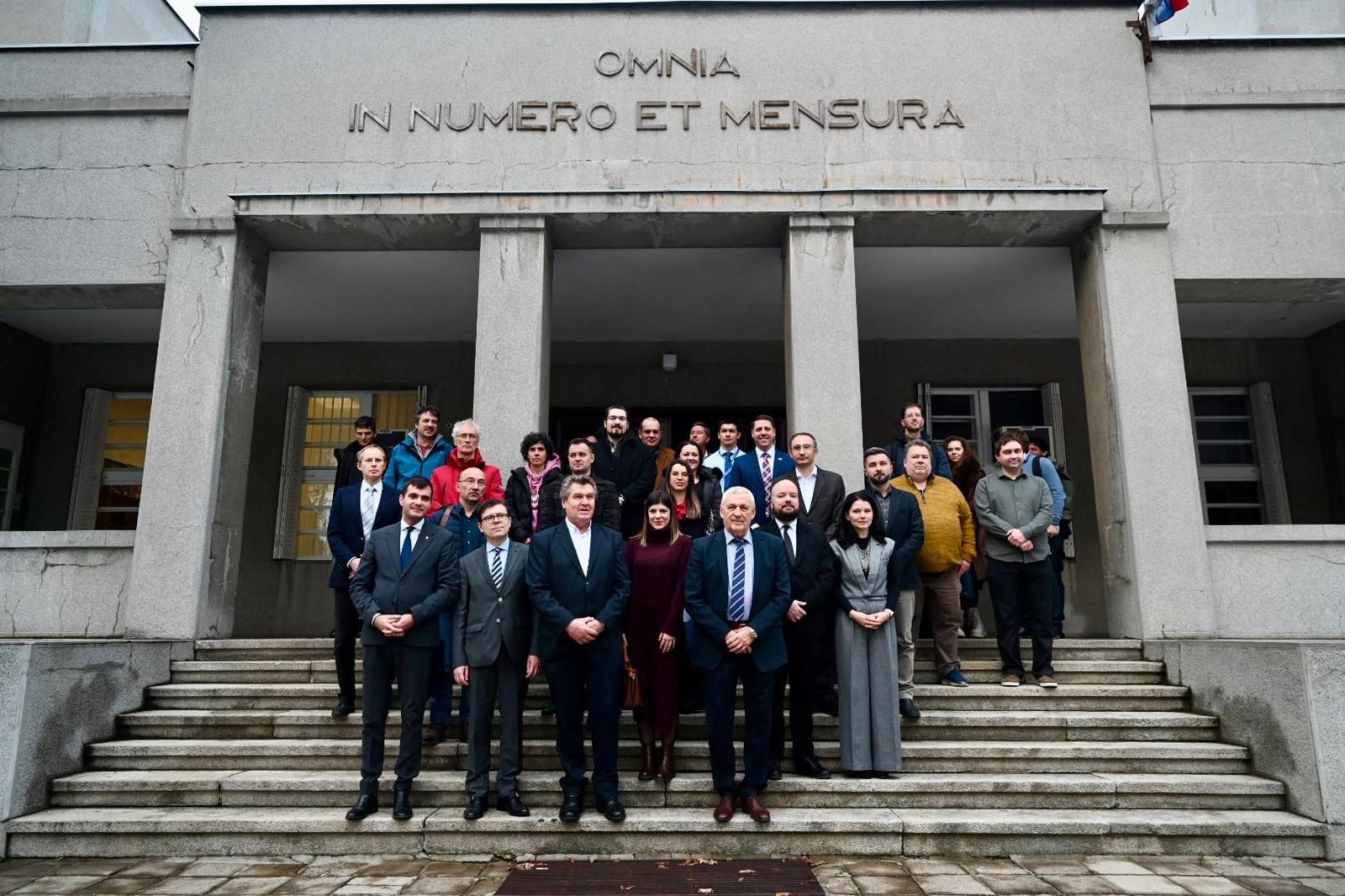
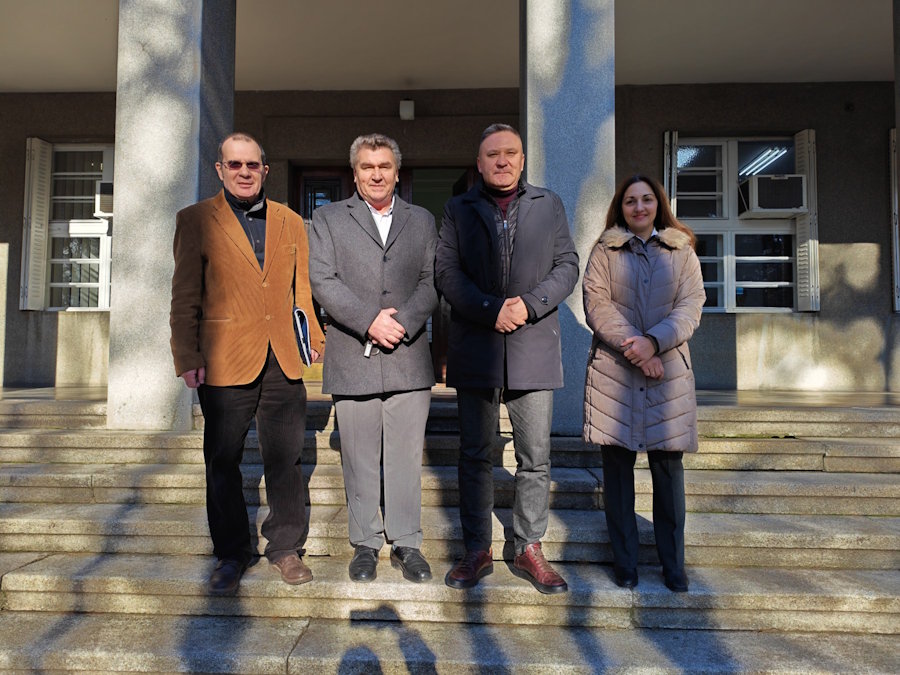
The Rubin Observatory, funded by the U.S. National Science Foundation (NSF) and the U.S. Department of Energy (DOE), was formally inaugurated during an international ceremony in June 2025. Among the participants were two distinguished Serbian institutions engaged in astronomical research that have contributed to the project: the Department of Astronomy at the Faculty of Mathematics, University of Belgrade, and the Astronomical Observatory in Belgrade. One year after the official opening, the project that is expected to transform the way we explore—and understand—the Universe, the Legacy Survey of Space and Time (LSST), is now formally commencing operations.
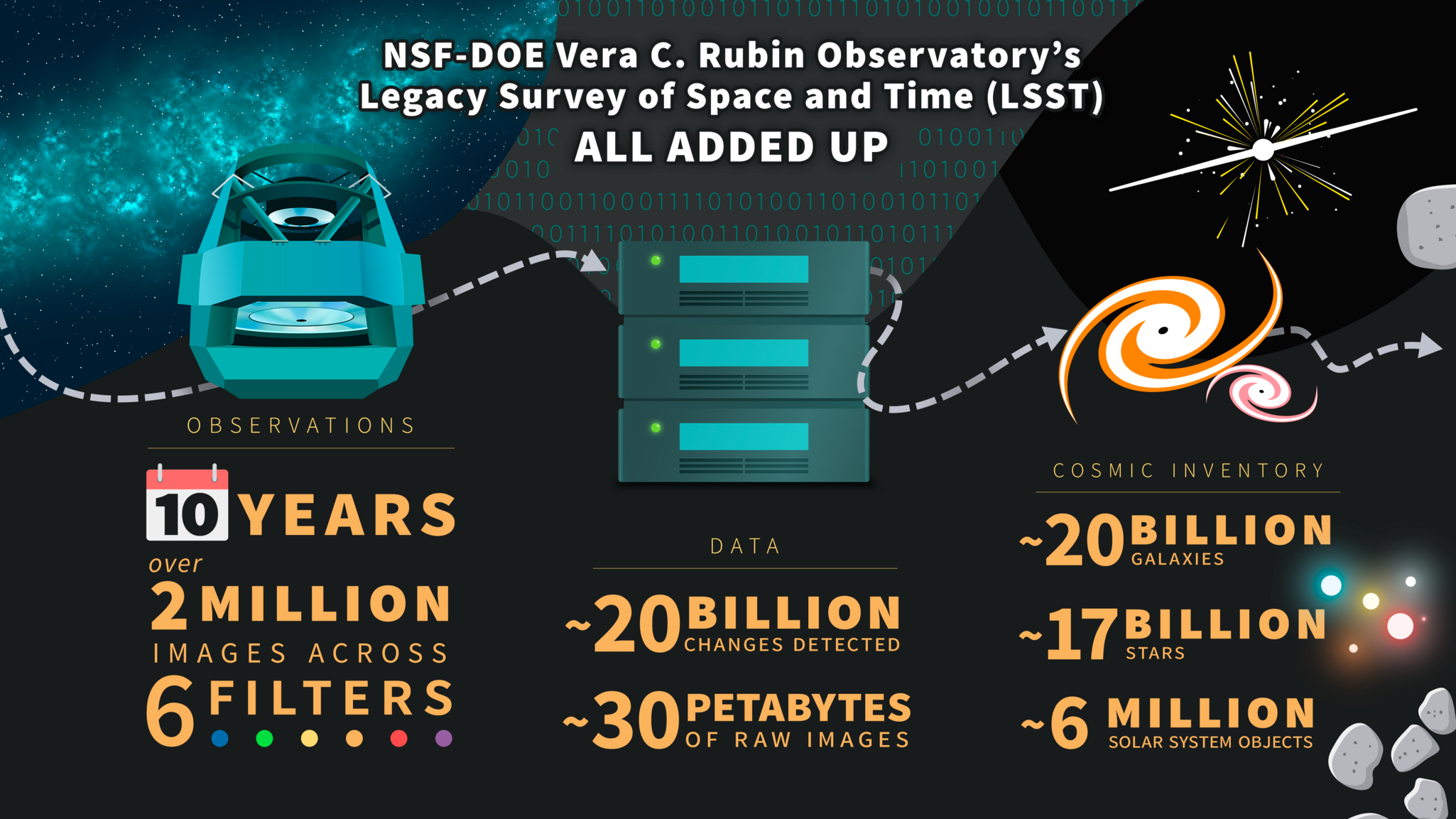
From its mountaintop site in Chile, the Rubin Observatory will continuously observe and image the sky over the next ten years using the largest camera ever built for this purpose. Owing to the unique combination of its large primary mirror, wide field of view, and a 3,200-megapixel camera, a new image of the sky will be captured approximately every 40 seconds. In this way, humanity will obtain an ultra-high-resolution, wide-angle time-lapse record of the Universe unlike anything previously achieved in astronomy.
During the groundbreaking LSST program, every point in the southern sky will be photographed approximately 800 times. The observatory will collect around ten terabytes of data each night and generate millions of alerts concerning newly discovered or variable objects in the sky, enabling astronomers around the world to respond to significant astronomical events in near real time.
The primary objective of the LSST project is to create the most comprehensive map of the Universe ever assembled. LSST will allow astronomers to track how the cosmos evolves over time—from supernova explosions and variable stars to the motion of millions of asteroids, the evolution of galaxies, and cosmic phenomena that have never before been observed.
At the same time, the Rubin Observatory will become the most powerful instrument for the discovery of new objects in the Solar System. Already during its initial phase of operation, the observatory identified more than 11,000 previously unknown asteroids, including objects that pass in close proximity to Earth.
The contribution of the team from the Faculty of Mathematics of the University of Belgrade to this historic project lies in the development of artificial intelligence-based software systems for processing enormous streams of deep-space data, with the aim of identifying rare, variable, and potentially previously unseen signals. The team from the Astronomical Observatory in Belgrade provides complementary observations using the Milutin Milanković Telescope at Vidojevica. With a primary mirror 1.4 meters in diameter, this instrument ranks among the largest and most advanced telescopes in the Balkans.
Upon completion of the ten-year program, the scientific community will gain access to a database containing billions of astronomical objects and trillions of individual measurements. This unique repository is expected to become one of the most important resources for astronomical research in the decades ahead and to open the door to discoveries that today cannot yet even be imagined.
With the official launch of the Legacy Survey of Space and Time project, a new chapter in the exploration of the Universe begins—one that will provide researchers with the most comprehensive insight yet into the dynamic nature of the cosmos.
https://rubinobservatory.org/news/action-rubin-lsst-beginshttps://noirlab.edu/public/news/noirlab2616/
https://www.matf.bg.ac.rs/opservatorija-rubin-prvi-pogled-u-univerzum/
https://www.aob.rs/sr/vesti/dogadjaji/944-opservatorija-rubin-prvi-pogled-u-univerzum
https://domomladine.org/opservatorija-rubin-prvi-pogled-u-univerzum/
https://elementarium.cpn.rs/naucne-vestisr/opservatorija-rubin-prvi-pogled-u-univerzum/